The Future of Document Management with Optical Character Recognition
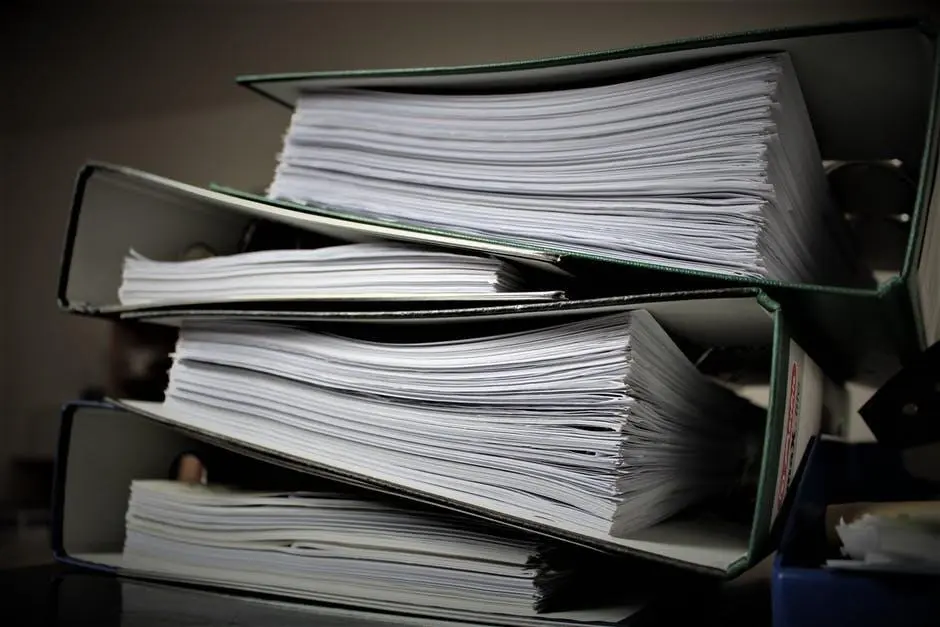
Document management has moved far beyond filing cabinets and paper archives. Today, scanned images and digital records are the standard. Yet simple scans are limited, since they are not searchable or editable.
Optical Character Recognition, or OCR, changes this by turning text in images into machine-readable data. Businesses, schools, and hospitals use it daily to speed up access, cut storage needs, and improve accuracy.
As technology grows, OCR will continue to shape how people organize and use information. Its role in the future of document management is becoming essential.
What is OCR?
Optical Character Recognition is a technology that takes printed or handwritten text and converts it into digital characters. For example, if someone scans a contract or takes a picture of a receipt, OCR can recognize the letters and numbers in the image.
Once the text is digitized, it becomes searchable and editable. This makes managing information faster and easier. OCR has existed for decades, but recent advances in artificial intelligence and machine learning have made it far more accurate and adaptable to different types of documents.
The Evolution of Document Management
Document management once relied heavily on filing cabinets and physical storage rooms. Offices needed entire teams to organize and retrieve files. Later, scanning documents allowed people to save them on computers. However, these scanned files were only images and could not be searched or edited.
OCR solved this problem by making digital text from scanned pages. This transformed the way companies worked with their archives. Instead of searching through piles of paper, they could now search with a few keystrokes. The move from paper to searchable digital files marked a major turning point.
How OCR Works
OCR works by scanning a document and analyzing its shapes. Letters and symbols are recognized based on their patterns and then converted into machine-readable characters. The software uses algorithms to compare the scanned image against known fonts and characters.
Modern OCR can also recognize handwriting, which was once nearly impossible. Some systems can identify the layout of tables and forms, ensuring data remains structured after conversion. The result is a digital document that looks like the original but can be searched, copied, and edited just like text typed on a computer.
Benefits of OCR in Document Management
OCR offers a wide range of benefits. It saves time by reducing manual typing and allows users to search documents quickly. It lowers costs by cutting down on paper storage needs. OCR reduces mistakes because it captures text directly instead of relying on human input.
Sharing and collaboration become easier when documents are digital and searchable. Security also improves, since digital files can be encrypted and backed up. These advantages make OCR an essential tool for:
- businesses
- schools
- healthcare providers
The ability to transform text into digital information changes how people handle data.
OCR in Cloud-Based Document Management
Cloud systems are central to modern document management. They allow files to be stored online and accessed from anywhere. OCR strengthens cloud storage by making scanned documents searchable. This means large volumes of data can be organized more efficiently.
Employees working remotely can find information without being in the office. Cloud OCR also supports collaboration. This is by letting teams share and search files in real time. By linking OCR with the cloud, companies can create flexible, scalable systems that handle growth while keeping information secure and accessible.
Artificial Intelligence and OCR
Artificial intelligence has advanced OCR in powerful ways. Older OCR systems often failed with poor-quality scans or unusual fonts. AI changes this by allowing OCR to learn patterns and improve accuracy over time. It can analyze context and predict missing characters, even when the scan is unclear.
AI also helps OCR understand different languages and document structures, such as forms and reports. This makes OCR much more reliable and versatile. In the future, AI-driven OCR will not only recognize text but also interpret meaning, making document management smarter and more efficient.
Mobile OCR Technology
Mobile devices have made OCR more accessible. With powerful cameras, smartphones can capture documents anywhere. Mobile OCR apps turn photos of receipts, notes, or contracts into searchable text within seconds. This is useful for employees who travel, healthcare workers in the field, or students studying outside the classroom.
Mobile OCR removes the need for desktop scanners and allows data capture on the go. As mobile technology improves, OCR will become an everyday tool, making document management more flexible and convenient.
OCR for Businesses
Businesses depend on fast and accurate data handling. Every day, they process invoices, contracts, reports, and customer records. OCR helps by extracting information automatically. Instead of typing invoice details into software, OCR can read and transfer them instantly. This speeds up operations and lowers the chance of human error.
Companies also meet compliance requirements more easily, since digital records are secure and traceable. By adopting OCR, businesses reduce costs, save time, and improve customer service. It provides a competitive edge in a world that depends on quick access to accurate information.
OCR in Healthcare
Healthcare systems deal with large volumes of paperwork. Patient histories, prescriptions, and lab reports must be recorded and accessed quickly. OCR makes this possible by digitizing medical documents. Doctors and nurses can retrieve records instantly, leading to better patient care.
Digital records also protect privacy more effectively than paper files. Hospitals can reduce storage needs and improve efficiency. As healthcare continues to move toward electronic health records, OCR will remain central. It ensures that medical data is accurate, secure, and easy to share across different systems.
OCR in Education
Schools and universities benefit greatly from OCR. By digitizing textbooks, research papers, and student files, they make information more accessible. Teachers can create searchable archives of course material. Students can quickly find passages in digital texts.
OCR also supports accessibility by converting print into formats usable by visually impaired learners. In online education, OCR makes resources easier to manage and distribute. As more learning happens digitally, OCR ensures educational content remains organized and available to everyone, improving the overall learning experience.
Security and Compliance
Security is a major issue in document management. Sensitive data must be stored safely, especially in industries like finance and healthcare. OCR supports this by digitizing documents into secure formats. Once converted, files can be encrypted, tracked, and backed up. This protects them from loss or theft.
Compliance is another concern. Many industries have strict regulations about record-keeping. OCR helps organizations meet these requirements by ensuring documents are accurate, searchable, and properly stored. This combination of security and compliance makes OCR a trusted tool in sensitive industries.
The Role of OCR in Automation
Automation is the future of business processes. OCR is a key part of this movement because it provides the digital data that automation needs. For example, OCR can scan a form, recognize the text, and send the data directly to a company's software system. This removes the need for manual input.
When paired with robotic process automation, OCR can handle entire workflows without human involvement. This saves time, reduces costs, and improves accuracy. As automation becomes more common, OCR will continue to play a vital role.
Challenges Facing OCR
Despite its progress, OCR still faces challenges. Low-quality scans, faded text, or unusual handwriting can cause errors. Complex layouts with mixed fonts and graphics may confuse the system. Although AI helps, accuracy is not always perfect.
For critical documents, human review may still be needed. These limitations remind users that OCR is powerful but not flawless. Continued improvement in AI and machine learning will help overcome these issues. The goal is to make OCR as accurate as human reading, even in difficult cases.
The Future of OCR
The future of OCR looks bright. With continued advances in AI and natural language processing, OCR will become more accurate and capable. It will be able to understand documents in many languages, process multimedia formats, and handle complex layouts.
Integration with cloud services and mobile devices will make OCR more available to everyone. One important area of growth will be OCR software SDK, which allows developers to add OCR features to their own applications. This will make OCR highly adaptable, serving the unique needs of industries such as education, healthcare, and finance.
Preparing for the Future of Document Management
Organizations should begin preparing now for the future of document management. This means adopting OCR and digitizing existing records. Employees need training to use OCR effectively. Businesses should integrate OCR with their current systems and keep an eye on new developments.
Preparing early ensures smoother transitions as technology advances. Companies that adopt OCR now will stay competitive and efficient. By planning ahead, organizations can take full advantage of the opportunities OCR will bring in the future.
ExploreThe Future of Document Management
The future of document management with OCR is bright. Companies will be able to work faster and smarter with digital files. Searching for information will become easier and more accurate.
OCR will also help reduce the need for physical storage. This will save money and space for many businesses. As OCR improves, it will play a bigger role in everyday work.
Looking for more tips and ideas? We've got you covered. Check out some of our other posts now.